











Automotive components.

Most read
- 1. LKS Next is set to exceed 85 million in 2025 following 15 per cent growth, and is forecast to grow by 19 per cent in 2026
- 2. LANA and ETORKI cooperatives have joined together
- 3. Erreka Medical acquires Microliquid to expand in the healthcare sector
- 4. Laboral Kutxa among Spain’s top five banks
- 5. dBot positions Danobat as an international benchmark in next-generation industrial robotics
- 6. Barcelona Circular, new project that strengthens MONDRAGON's roots in Catalonia
“Electrification, cost pressures and sustainability are forcing us to reinvent ourselves”
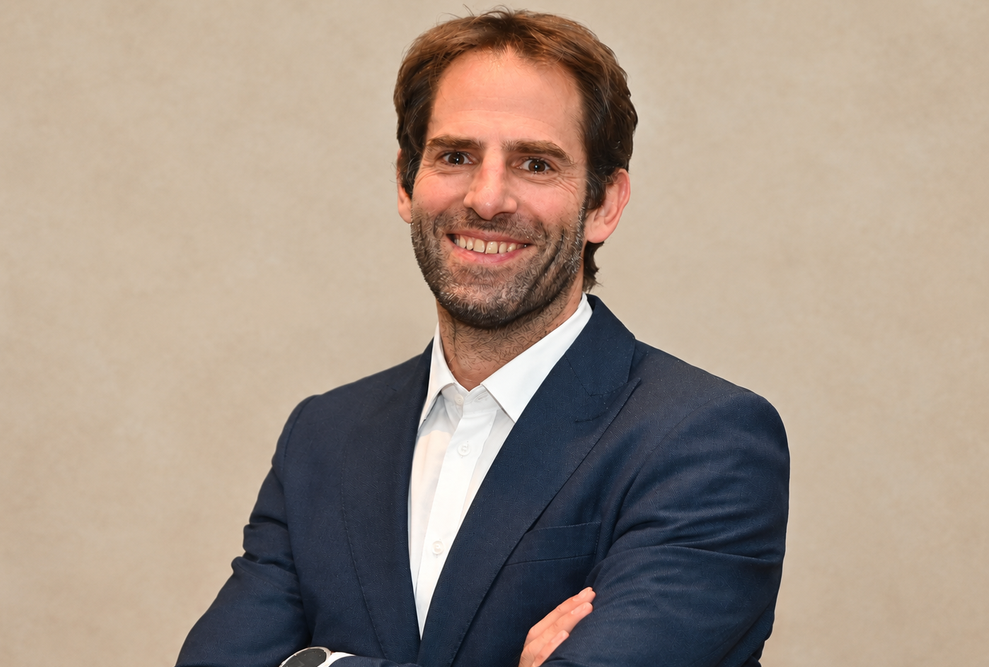
Joxeba joined FESK in 2006, when the project got underway. “The evolution has been tremendous; the plant, the country and society have changed enormously,” he says. Today, at the helm of a plant with 150 employees and annual revenues of close to €30 million, he looks back on the journey, the key factors behind the project and an experience that has ultimately become an essential part of his life.
To set the scene, what does Fagor Ederlan Slovakia currently manufacture?
We manufacture aluminium components for the automotive industry, specifically for the powertrain area: engine and transmission components. We use high-pressure die casting (HPDC) for aluminium. These are complex parts that we subsequently machine and, increasingly, incorporate assembly components into. Ultimately, we are adding more and more value throughout the entire process.
In a sector undergoing profound transformation, our expertise in aluminium and complex components provides a strong foundation for adapting to the new components that the vehicle of the future will require.
And what are your main markets?
Eastern Europe, which was one of the reasons why we established ourselves in Slovakia. The automotive industry began moving towards these countries around 20 years ago, and we followed the same path. Today, Slovakia produces more cars per capita than any other country in the world. Being close to our customers’ plants is key in terms of cost, service and day-to-day relationships. Most of our customers are located within a 300-kilometre radius, although we also supply other destinations depending on each project.
Looking back over these 20 years, what would you say have been the keys to the project's success?
One of the foundations was acquiring an existing company rather than building a new one from scratch. The region has a strong industrial tradition, particularly in aluminium, from metal production through to different processing technologies. By acquiring the plant, we also took on its people and their knowledge: a highly skilled technical team. We have continued to develop on that foundation, and this team has been key to innovating and growing into what we are today. Another important factor has been the support of the Fagor Ederlan Group. We have had access to its technology, customers and experience, while always giving the local team a leading role.
What do that initial investment and commitment, launched two decades ago, look like in figures today?
The plant currently employs around 150 people and generates approximately €30 million in annual revenue.
Beyond the figures and the industrial project, how would you sum up these 20 years on a personal level?
For me, it has been a very enriching experience: a different culture, a different language, a different mindset... The early days were by no means easy, but over time it has led to enormous learning and personal growth. Learning Slovak was one of the best decisions I have ever made: it opens many doors, both inside and outside the factory.
Learning Slovak was one of the best decisions I have ever made: it opens many doors, both inside and outside the factory.
And Slovakia has also become an important part of your personal life...
Yes. My wife is from here, and so are our daughters, although I still maintain a very close connection with Oñati. I used to travel more because work required it. Today, thanks to technology, most meetings take place by videoconference. Even so, I try to travel to the Basque Country three or four times a year and, on at least two of those occasions, with the whole family.
Today, thanks to technology, most meetings take place by videoconference. Even so, I try to travel to the Basque Country three or four times a year and, on at least two of those occasions, with the whole family.
After 20 years of sharing this project with so many people, is there anyone you would especially like to remember?
All the people who have been part of FESK over these 20 years. They are the true protagonists of this story. I would also like to thank the Group for all the trust and support it has given us over this time. Eskerrik asko!
And now, having reached 20 years, on the way to 40? How do you see the future of Fagor Ederlan Slovakia?
The sector is undergoing profound transformation. Electrification, cost pressures and sustainability are forcing us to reinvent ourselves. Our expertise in aluminium and complex components provides a strong foundation for adapting to the new components that the vehicle of the future will require. But without making grand proclamations. We will continue year by year, as they say, taking it one game at a time—that is how you make progress.
Automotive components.
+ related news


